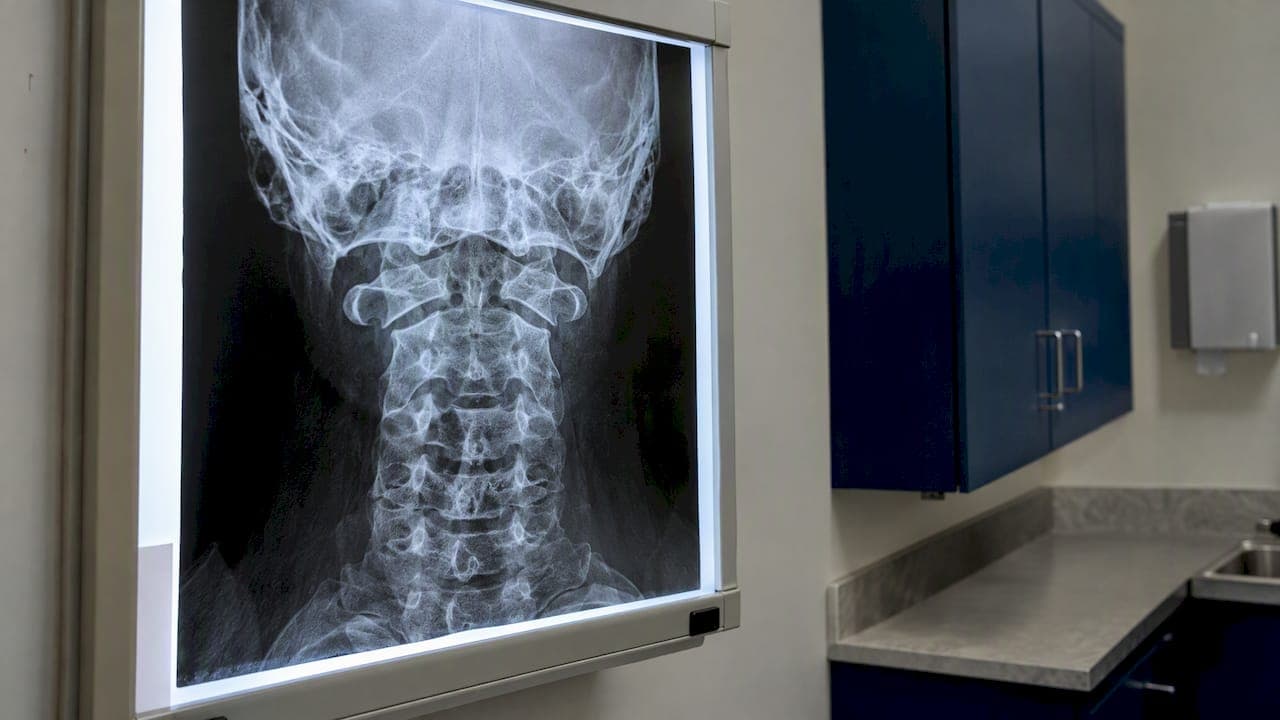

Cervicogenic dizziness is dizziness that starts in the neck. The upper neck is packed with sensors that tell your brain where your head is in space. When those signals are off, the brain can struggle to match them with what your eyes and inner ears report, and you feel unsteady, lightheaded or “floaty.” It is real, it is often missed, and it can only be identified after more dangerous causes have been ruled out.
If you have had dizziness for months, seen an ENT or done vestibular therapy, and still have no lasting answer, this guide explains what the diagnosis means, how it is sorted from inner-ear problems, and where gentle upper cervical care may fit.
TL;DR
-
Cervicogenic dizziness is usually a lightheaded, unsteady or floating feeling tied to neck pain or stiffness, not a classic room-spinning spell.
-
It is a diagnosis of exclusion: inner-ear, neurological and cardiovascular causes must be considered first, so start with a medical evaluation.
-
Sudden weakness, numbness, trouble speaking or vision changes with dizziness is an emergency. Call 911.
-
At Johnson Spinal Care, we measure and image the upper neck before any correction, then use a light NUCCA adjustment with no twisting or cracking.
Table of Contents
What cervicogenic dizziness actually is
The term describes dizziness associated with neck pain or dysfunction. You may also see it called cervical vertigo or cervical dizziness. Researchers still debate how often it occurs and exactly how it works, and a 2025 review calls it a debated clinical entity. That honesty matters: anyone who tells you the neck explains every case of dizziness is overselling.
The leading explanation is proprioception, your body’s sense of its own position. The neck has highly developed proprioceptive receptors, and their signals are blended with visual and vestibular (inner-ear) input. When the neck sends distorted information, the three streams disagree and the brain has trouble integrating them. The result is unsteadiness or lightheadedness.

Think of the head as a bowling ball balanced on a narrow stack of bones. The top two vertebrae, the atlas (C1) and axis (C2), do much of the fine positioning. If they are irritated, injured or held awkwardly, the sensors around them can report a position that does not match reality.
What it feels like
People rarely describe it the way they describe a carnival ride. According to Cleveland Clinic, cervicogenic dizziness tends to feel lightheaded or floating rather than like true spinning, and episodes can last from several minutes up to several hours. Typical patterns include:
-
Unsteadiness that comes on with certain head positions or after holding your neck in one posture, such as long hours at a desk or phone.
-
Neck pain or stiffness alongside the dizziness.
-
Nausea, vision strain or a sense of poor coordination.
-
Symptoms that flare after a bad night’s sleep or after neck strain.
Neck pain is the key clue. In one narrative review, neck pain had 100% specificity and 68% sensitivity for the condition, which means that if you have no neck symptoms at all, this diagnosis becomes unlikely.
Which came first, the neck pain or the dizziness?
This question helps clinicians more than people expect. If dizziness arrived first, your neck may be sore simply because you hold your head rigidly to avoid triggering it, a pattern the NHS Lanarkshire physiotherapy service describes. If neck pain or an injury came first, the neck becomes a more serious suspect. Before your visit, write down which came first, even roughly.
Common causes and triggers
Cleveland Clinic lists prior neck trauma such as whiplash, cervical arthritis (spondylosis) and degenerative disk disease among the usual contributors, and notes that symptoms can appear years after the original injury. That timeline surprises many people. A car accident in your twenties and dizziness in your forties may feel unrelated, yet the neck can be the thread connecting them.
Other contributors a clinician will look at include muscle tension, joint stiffness, long-term poor posture and sleep positions that keep the neck twisted for hours. If your mornings start with a stiff neck, our guide on waking up with neck pain covers pillows and sleep position.
Why it takes a team to diagnose
There is no definitive clinical or laboratory test for cervicogenic dizziness, so it is a diagnosis of exclusion. The Vestibular Disorders Association says the same: a thorough history and medical evaluation are needed because the symptoms resemble other causes of dizziness.
That is why many people feel passed around. Nausea and unsteadiness overlap with a long list of inner-ear conditions, such as benign paroxysmal positional vertigo (BPPV), which is also what several of the questions people ask Google about vertigo point to. A clinician review notes that competing causes must be identified and ruled out, which often means more than one specialist.
How the neck is checked
A provider may use a cervical torsion test, where the head stays still while the body is rotated, which is frequently cited as helpful for linking neck dysfunction to dizziness. Exams usually also include range of motion, joint tenderness, balance and eye-movement testing, and a review of your medical history.

Who to see first
See a medical doctor first if your dizziness is new, severe, getting worse or unexplained. Your primary care physician or an ENT can look for inner-ear disease, medication effects, blood pressure or heart rhythm problems, and neurological causes. Cervicogenic dizziness should be considered after that work, not instead of it.
When dizziness is an emergency
Cleveland Clinic advises getting emergency care immediately when dizziness or vision changes come with signs of a stroke, such as sudden weakness, numbness or difficulty speaking. If that is happening, call 911. Do not drive yourself, and do not wait for an appointment. The same applies to sudden severe headache, double vision, fainting or chest pain with dizziness.
Where upper cervical care fits
If a medical team has ruled out the urgent causes and your neck is still a suspect, a conservative, hands-on approach to the neck is a reasonable next step. What does the evidence say? A systematic review of manual therapy for cervicogenic dizziness reported that earlier work found limited evidence, while a more recent review suggested moderate evidence in favor. Studies are small and methods vary, so we do not promise outcomes. What we can say is that the neck deserves a proper look when it is the likely driver.
What NUCCA looks at
NUCCA is an upper cervical chiropractic technique focused on the atlas, the top vertebra. Our approach differs from the general image of chiropractic in three ways:
-
Measurement and imaging first. Care starts with a comprehensive examination and advanced imaging, so any correction is based on your specific alignment, not a guess.
-
A light, precise correction. There is no twisting, popping or cracking of the neck. Many nervous patients tell us this is what finally made them willing to come in.
-
A plan to hold alignment. The goal is for the correction to hold so you need fewer visits over time, not a permanent schedule.
Our doctors do not diagnose inner-ear disease, and we do not treat it. If your history suggests a vestibular or neurological cause, we will say so and send you back to your medical team. When the neck looks like part of the picture, we work alongside your other providers.
A closer look at who this may suit
In our experience, people who find us for dizziness often fit one of these patterns:
-
Dizziness after whiplash or a fall. Neck injury is a known trigger. Our page on whiplash care in Apple Valley explains what an exam involves after a crash or sports injury.
-
Dizziness with headaches. Neck-related headaches and dizziness often travel together. See our article on chronic daily headaches and the neck.
-
Vertigo without clear answers. If an ENT or vestibular therapist has not found a cause, you may want to read why the spine is often overlooked in vertigo.
-
Jaw tension and dizziness. The upper neck and jaw share muscles and nerves; our piece on TMJ and upper cervical alignment explains the link.
Our perspective
We have seen the same story for four decades. Someone arrives tired and a little wary. They have had scans, medications, maybe vestibular exercises, and they have been told everything looks normal. They are still dizzy, and often they have been quietly managing a stiff neck for years.
Johnson Spinal Care was founded in 1986 by Dr. Kerry and Lisa Johnson as the first NUCCA clinic in Minnesota, and we mark 40 years this year. Our five NUCCA-certified doctors see patients across three clinics, and we hold a 4.9-star Google rating across 394 reviews. Those numbers do not prove any single outcome for you, but they reflect how we try to work: examine carefully, image before treating, correct gently, and hold the correction.
We also know our limits. Dizziness has many causes, and some are serious. We would rather you see your doctor first and come to us with a clearer picture than have you spend weeks on the wrong path. If your neck is part of the story, we want to find that out with measurements, not assumptions.
— Johnson Spinal Care Clinical Team
What a first visit looks like
Expect a conversation before anything physical. We ask when the dizziness began, what sets it off, whether neck pain or injury came first, what your doctors have found and which treatments you have tried. Then we examine your posture, neck movement and alignment, and take imaging of the upper neck. Only after that do we decide whether NUCCA is appropriate and, if so, what a plan could look like.
If a correction is made, it is a low-force adjustment. There is no neck twisting and no cracking sound. You will not be asked to do anything that feels forceful.
Practical steps while you wait for answers
These are general habits, not a treatment plan. Check with your doctor if you have other conditions.
-
Keep a symptom log. Note timing, head position, posture, sleep and which came first, neck pain or dizziness.
-
Break up screen time. Avoid holding your head forward or turned for long stretches.
-
Review your sleep setup. A pillow that leaves your neck bent or twisted overnight can aggravate morning symptoms.
-
Move gently. Avoid sudden, forceful neck movements while you are unsteady, and be careful on stairs.
-
Bring records. Collect results from ENT visits, vestibular therapy and any imaging.
Book an evaluation near you
If your doctor has ruled out urgent causes and your neck is still a suspect, we would like to look at it with you. Our NUCCA upper cervical care begins with a comprehensive exam and imaging. You can visit our Apple Valley clinic or our White Bear Lake clinic, and we also have a Savage location. If you are in the east metro, read about vertigo care in White Bear Lake. For a broader overview, see can a chiropractor help with dizziness.
FAQ
Can the neck cause dizziness?
Yes, in some people. Signals from the neck’s position sensors can conflict with visual and inner-ear input and produce unsteadiness. Because other causes must be excluded first, a medical evaluation should come before any conclusion that your neck is responsible.
Is cervicogenic dizziness the same as vertigo?
Not exactly. Vertigo is a spinning sensation and is more typical of inner-ear problems like BPPV. Cervicogenic dizziness tends to feel lightheaded or floating, though the two can overlap and people often describe them loosely.
Does NUCCA involve twisting or cracking my neck?
No. A NUCCA correction is low-force and based on measurements and imaging of your upper neck. You should not feel twisting, popping or cracking.
When should I go to the ER for dizziness?
Go immediately if dizziness comes with sudden weakness, numbness, trouble speaking or vision changes, which can signal a stroke. Cleveland Clinic advises emergency care in those cases. Call 911 rather than driving yourself.
Sources
-
Proprioceptive Cervicogenic Dizziness: A Narrative Review (PMC)
-
Dizziness and neck pain: a perspective on cervicogenic dizziness (PMC)
-
The effectiveness of manual therapy in treating cervicogenic dizziness (PMC)