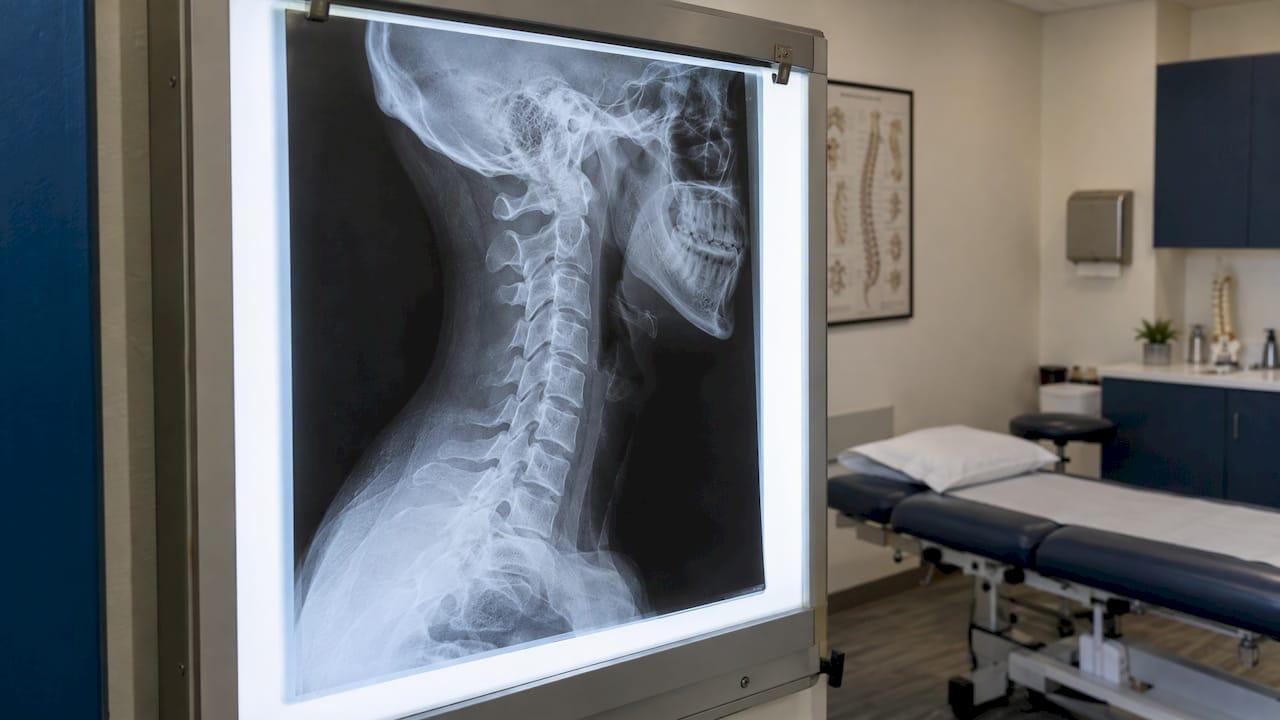

Yes, in most cases you can use a health savings account (HSA) or a flexible spending account (FSA) to pay for chiropractic care. The IRS counts fees paid to a chiropractor for medical care as medical expenses, and expenses that qualify as medical expenses can be paid from either account. What matters is the reason for the visit: care for a condition such as headaches, neck pain or dizziness fits the rule, while care for general wellness alone may not. At Johnson Spinal Care, patients pay directly for evaluation and treatment, so knowing the rules before your first visit saves you guesswork later.
TL;DR
- Chiropractic care for a medical condition is generally an eligible expense under both an HSA and a health care FSA, according to IRS guidance.
- The IRS requires care to be primarily to alleviate or prevent a physical or mental illness or disability. Expenses that are merely good for general health do not count.
- Keep itemized records: patient name, service, date, provider and amount. A card slip alone is not enough.
- You cannot reimburse yourself from an HSA or FSA and also deduct the same expense on your tax return.
- Plans differ on paperwork. Some FSAs ask for a letter of medical necessity, so check with your plan administrator before a long course of care.
Table of Contents
- What the IRS says about chiropractic and HSAs
- HSA vs. FSA: the differences that affect chiropractic payments
- “Medical care” versus “general health”: the line that matters most
- Do you need a prescription or letter of medical necessity?
- How to pay and what records to keep
- What this means for upper cervical care
- Planning your year of care around your account
- Our perspective
- Where to start at Johnson Spinal Care
- FAQ
- Sources
What the IRS says about chiropractic and HSAs
Both accounts follow the same basic definition of a qualified medical expense. The IRS lists fees paid to chiropractors among deductible medical expenses, and defines medical care as payments for diagnosis, cure, mitigation, treatment or prevention of disease, or for treatments affecting any body structure or function.
For an HSA specifically, IRS Publication 969 (2025) says qualified expenses are amounts you pay for medical care for yourself, your spouse and any dependent, only to the extent insurance or another source has not already paid them. Three details in that publication matter for planning:
- Timing. Expenses incurred before your HSA was established are not qualified.
- Coverage. The rule extends to your spouse and dependents, so a child’s care can come from your account.
- Penalty. Money taken out for something that does not qualify is taxed as income, with a possible additional 20% tax.
In plain terms: if you have a headache, neck pain or whiplash complaint and a chiropractor evaluates and treats it, that is the kind of spending these accounts are built for.
HSA vs. FSA: the differences that affect chiropractic payments
The two accounts treat chiropractic the same way on eligibility, but they work differently in practice.
| HSA | Health care FSA | |
|---|---|---|
| Who has it | People enrolled in a qualifying high-deductible health plan | People whose employer offers an FSA |
| Chiropractic eligible | Yes, for medical care | Yes, for medical care |
| Review of withdrawals | No review or approval, but you keep records in case of an IRS audit | Claims are reviewed and approved, and manual claims need supporting documents |
| Limited-purpose or dependent care versions | Not applicable | Not eligible with a limited-purpose or dependent care FSA |
One more FSA detail: the contribution cap moves each year. For the 2026 plan year the IRS set the health care FSA maximum at $3,400, up $100 from 2025. Your employer’s plan documents show the amount and any carryover or grace period that applies to you.
“Medical care” versus “general health”: the line that matters most
This is where most confusion starts. The IRS says expenses must be primarily to alleviate or prevent a physical or mental disability or illness. Spending that only benefits your general health is not included. The Congressional Research Service makes the same point in its comparison of tax-advantaged health accounts, noting that general health expenses such as weight-loss programs do not qualify.
For chiropractic, this means the reason you are seeing the doctor should be a symptom or condition, for example:
- Recurring headaches or migraines
- Neck pain or stiffness
- Dizziness or vertigo
- Jaw discomfort
- Back pain or sciatica
- Whiplash or lingering symptoms after an injury
That is why a good first visit starts with a history and an examination. The visit documents what brought you in, what was found and what the plan addresses. It is the same record your account administrator would want to see.
If you are gathering your history before an appointment, a one-page summary of symptoms, past treatments and dates helps. Chronic pain visit preparation is a useful model for what to write down, because the same facts support a clear record of medical need.
Do you need a prescription or letter of medical necessity?
Usually not for an HSA, and it depends on the plan for an FSA.
The federal employee FSA program, FSAFEDS, lists chiropractic care as eligible with a detailed receipt, with no letter of medical necessity or prescription. Other plan administrators handle this differently. A letter of medical necessity is a note from a doctor confirming that a treatment is medically necessary for a known condition. One administrator’s guide explains that items flagged for a letter require it signed by a doctor. Another says it may be requested when chiropractic care is for a medical condition rather than maintaining general good health.

The practical step: before you start a course of care, log in to your FSA portal or call the number on your card and ask whether chiropractic visits need extra documentation. It takes five minutes and prevents a denied claim months later.
How to pay and what records to keep
The rules for records come from the IRS and are repeated by plan administrators. Here is a routine that works for either account.
- Confirm your balance and account type. Know whether you have an HSA, a health care FSA or both.
- Ask for an itemized receipt at every visit. Premera’s guide says withdrawals need records showing the patient name, service description, date, provider name and amount. Cash register tapes, credit card slips and canceled checks alone are not adequate. FSAFEDS says the same about credit card receipts and canceled checks.
- Pay, then reimburse yourself or file a claim. With an HSA you can take a distribution for the amount you paid. With an FSA you submit the claim and wait for approval.
- Store the records with your tax papers. HSA receipts and Explanation of Benefits statements are kept in case of an IRS audit, not sent with your return.
- Do not double dip. If an HSA or FSA reimburses an expense, you cannot also deduct it on your federal return. Insurance payments count too: only the unreimbursed portion qualifies.
Timing also differs between accounts. For the medical expense deduction, the IRS counts the year you paid, including the year a credit card charge was made. Publication 502 notes that this is not the rule for FSA reimbursement, which follows your plan’s own dates. If your FSA has a deadline, schedule care and keep claim dates in mind.
What this means for upper cervical care
People who come to us have usually been in pain for a while. Many have tried medication, massage or physical therapy and want to know whether the top of the neck is part of the picture. Because they come for headaches, migraines, dizziness, neck pain, TMJ discomfort, whiplash and similar problems, their visits are tied to a medical complaint, which is the test HSA and FSA rules apply.
NUCCA care also has a documented path that fits the paperwork. Care begins with a comprehensive examination and advanced imaging. If you want to know what that involves, our guide to chiropractic X-rays explains why and when imaging is used. The correction that follows is low-force, with no twisting, popping or cracking of the neck, and our plans aim at holding alignment so you need fewer visits over time. Fewer visits means less drawn from your account across the year.
If you are comparing what a course of care might run, our breakdown of chiropractic cost in 2026 is the place to start. For a sense of how the adjustment itself feels, read about gentle, low-force chiropractic.
Planning your year of care around your account
A few habits make HSA and FSA money go further.
- Use FSA funds first when a deadline applies. An HSA balance rolls over from year to year, while an FSA is tied to your employer’s plan year and carryover rules. Check which applies to you.
- Start with the evaluation. An examination records your symptoms and findings, which is the documentation both account types rely on.
- Include family. HSA funds can pay for qualified care for your spouse and dependents, which matters for parents looking for gentle care for a child or teen.
- Keep one folder. Itemized receipts, any insurance statements and a short note of the symptom each visit addressed. Photograph paper receipts the day you get them.
- Ask before you assume. Plans and employers set their own procedures on top of the IRS rules. A call to your administrator settles it.
One caution that applies to every account: for a new or worsening headache, sudden severe dizziness, numbness, weakness or trouble speaking, see a medical doctor or emergency service first. Chiropractic care is for evaluation after serious causes have been addressed, and it can sit alongside your medical team’s care.
Our perspective
We have been caring for patients since 1986, when Dr. Kerry and Lisa Johnson opened the first NUCCA chiropractic clinic in Minnesota. In 2026 we are celebrating 40 years, with five NUCCA-certified doctors across three clinics and a 4.9-star Google rating from 394 reviews.
What we hear most from people is not a question about money. It is a question about whether anyone has looked at the cause. They have been through medication, massage or therapy and are tired of treatment that begins before anyone measures anything. That is why our care starts with an examination and imaging, and why the correction itself is light and precise.
When the care is aimed at a real complaint such as headaches, dizziness or neck pain, the HSA and FSA question usually answers itself. The IRS looks for medical care that treats or prevents a condition, and a documented evaluation, a clear plan and a record of each visit are exactly what a careful patient wants anyway. Our plans are designed to hold alignment so that you need fewer visits over time, which respects both your body and your account balance.
If you are not sure how to document your visits, ask our team when you book and we will walk you through it.
Johnson Spinal Care Clinical Team
Where to start at Johnson Spinal Care
If you have a headache, neck, dizziness or jaw complaint and an HSA or FSA to spend, a NUCCA evaluation is a sensible first step. We see patients of all ages, from children and athletes to seniors, at three Twin Cities clinics. You can read about our NUCCA upper cervical chiropractic care and how an examination leads to an individualized plan.

Choose the clinic closest to you: Apple Valley, Savage or White Bear Lake (Vadnais Heights). Bring your HSA or FSA card details if you plan to use them, and ask for an itemized receipt at each visit.
FAQ
Can I pay for a chiropractor with my HSA?
Yes, as long as the care treats or prevents a medical condition. The IRS lists chiropractor fees among qualifying medical expenses, and HSA funds can pay for them for you, your spouse and your dependents. Keep itemized receipts in case of an audit.
Can I use an FSA for chiropractic care too?
Yes, a health care FSA generally covers chiropractic care for a medical condition. A limited-purpose FSA or a dependent care FSA does not. FSA claims are reviewed, so submit an itemized receipt and ask your administrator whether a letter of medical necessity is needed.
Does chiropractic care for general wellness qualify?
Often not. The IRS says expenses merely beneficial to general health are not included. Care for headaches, neck pain, dizziness or another condition is the kind that fits.
What happens if I use my HSA for something that does not qualify?
Publication 969 says a non-qualified distribution is subject to income tax and may carry an additional 20% tax. Checking eligibility and keeping records before you withdraw avoids this.
Sources
- IRS Publication 502 (2025), Medical and Dental Expenses
- IRS Topic No. 502, Medical and dental expenses
- IRS FAQs on medical expenses related to nutrition, wellness and general health
- IRS Publication 969 (2025), Health Savings Accounts and Other Tax-Favored Health Plans
- Congressional Research Service R46782, A Comparison of Tax-Advantaged Accounts for Health Care
- FSAFEDS, Eligible Health Care FSA Expenses
- FSAFEDS, Eligible Health Care FSA Expenses (chiropractic care listing)
- FSAFEDS, New 2026 Maximum Limit Updates
- Premera HSA FSA Eligible Expense List
- WageWorks Eligible Expenses flyer
- Lively, Chiropractor Treatment eligibility